
Contact Us
Complete the form below for a free case evaluation.
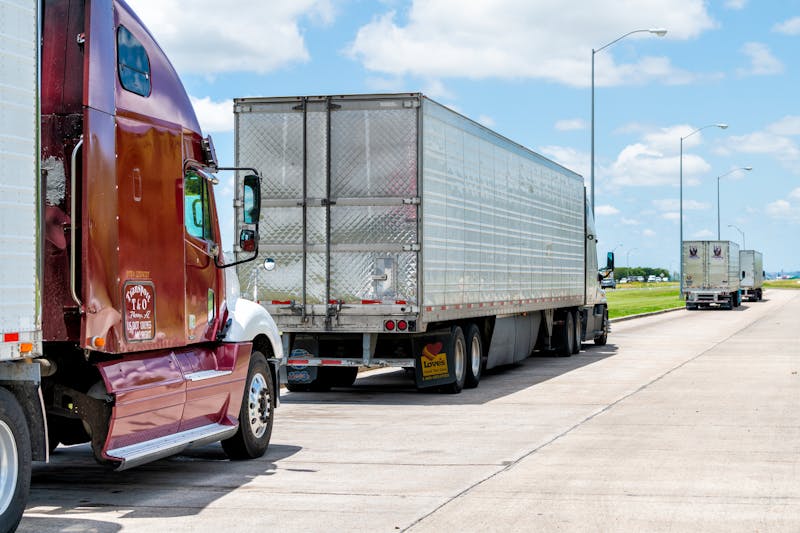
When a commercial truck causes a catastrophic crash in Texas, federal trucking regulations often become central to proving fault, uncovering systemic safety failures, and establishing liability against the trucking company itself. These rules—set primarily by the Federal Motor Carrier Safety Administration (FMCSA)—govern everything from driver fatigue and vehicle maintenance to cargo securement and drug testing. When a company violates them, that violation can become powerful evidence in a Texas truck accident lawsuit.
Webster Vicknair MacLeod approaches trucking accidents as complex corporate accountability matters rather than routine insurance claims. Our attorneys have litigated catastrophic injury and wrongful death cases against major carriers and national defendants, where regulatory compliance is often the deciding factor. We know how to dissect safety records, logbooks, inspection files, and internal policies to determine whether a crash resulted from a preventable federal violation.
In this blog, we explain how federal trucking regulations shape Texas truck accident lawsuits, influence liability, and often determine the strength and value of a claim from day one.
Most large commercial trucks traveling through Texas are engaged in interstate commerce. That means they are regulated by the Federal Motor Carrier Safety Administration (FMCSA) under the Federal Motor Carrier Safety Regulations (FMCSRs), codified at 49 C.F.R. Parts 350–399.
The FMCSRs set nationwide safety standards for:
When a serious crash occurs, these regulations often define the safety rules the trucking company must follow.
Driver fatigue is one of the most litigated regulatory issues in Texas truck accident cases. Under federal hours-of-service (HOS) rules, most property-carrying commercial drivers may:
These requirements are detailed by FMCSA. When a truck driver exceeds these limits—or falsifies electronic logging device (ELD) records—it can demonstrate negligence and, in some cases, corporate pressure to violate safety rules.
In litigation, we subpoena:
Federal law requires motor carriers to ensure their drivers meet specific qualification standards. Under 49 C.F.R. § 391, carriers must verify:
If a trucking company hires or retains a driver with a history of safety violations, crashes, or disqualifying medical conditions, that failure can support claims for:
These corporate-level failures often expand liability far beyond the individual driver.
Commercial carriers are required to systematically inspect, repair, and maintain their fleets under 49 C.F.R. Part 396.
These rules require:
Brake failures, tire blowouts, steering defects, and lighting violations often stem from ignored inspection requirements. In Texas lawsuits, maintenance records frequently reveal whether a crash was preventable.
Federal regulations mandate drug and alcohol testing programs for commercial drivers, including:
If a company fails to conduct required testing—or knowingly allows a disqualified driver on the road—that failure can significantly increase exposure in a Texas personal injury case.
How Federal Violations Affect Texas Negligence Claims
Texas truck accident lawsuits are typically grounded in negligence law. To prevail, an injured party must prove:
Federal trucking regulations often help establish the elements of duty and breach.
When a motor carrier violates a federal safety rule designed to prevent the type of harm that occurred, that violation can serve as compelling evidence of negligence. Courts may allow regulatory violations to demonstrate that the defendant failed to meet required safety standards.
Additionally, evidence of repeated regulatory violations can support claims for:
For families facing catastrophic injury or wrongful death, these distinctions can dramatically affect case value.
Federal trucking regulations directly impact Texas truck accident lawsuits by defining the safety rules commercial carriers must follow—and by exposing preventable violations that often lead to catastrophic harm. When companies ignore hours-of-service limits, skip inspections, overlook drug testing, or hire unsafe drivers, those failures can become powerful evidence in court.
Successfully navigating these regulations requires more than basic familiarity. It demands experience in complex litigation, deep regulatory knowledge, and the willingness to hold national carriers accountable before a jury.
At Webster Vicknair MacLeod, we approach these lawsuits with:
With more than 120 years of combined experience, we do not treat catastrophic truck collisions as routine claims. We treat them as serious accountability matters. Contact Webster Vicknair MacLeod today at (713) 581-3900 to schedule a free consultation.
Complete the form below for a free case evaluation.
© Webster Vicknair Macleod. All Rights Reserved.