
Contact Us
Complete the form below for a free case evaluation.
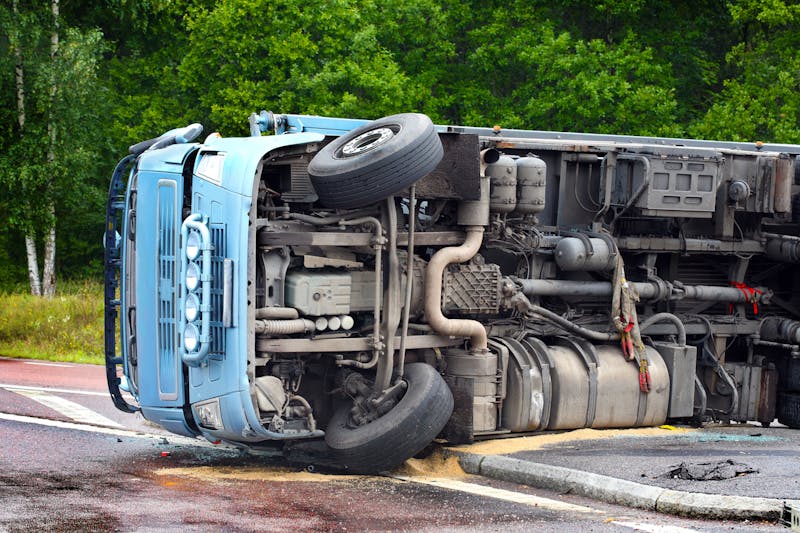
Insurance companies start evaluating truck accident claims as soon as a crash is reported, well before any settlement offer is discussed. From the moment the accident is reported, insurers act swiftly to manage risk, limit their exposure, and influence the narrative surrounding the incident and the severity of any injuries involved. One often overlooked risk in today's truck accident cases is the impact of social media.
At Webster Vicknair MacLeod, our attorneys have over 120 years of combined experience dealing with high-stakes 18-wheeler and commercial truck accident cases throughout Texas and nationwide. We are knowledgeable about the laws and regulations governing trucking companies, as well as the internal strategies insurers use when evaluating liability and damages.
In this blog, we will discuss some seemingly minor mistakes that can undermine an otherwise valid claim, the role social media plays in the claims process, and how partnering with us can strengthen your case.
Truck accident claims are governed by a complex mix of state negligence law and federal trucking regulations enforced by the Federal Motor Carrier Safety Administration (FMCSA).
Insurance carriers typically assess:
While accident reports and medical records remain important, insurers now routinely look beyond traditional documentation when evaluating claims.
Social media platforms provide insurers with publicly accessible information that can be used—fairly or unfairly—to dispute injury claims. Courts have consistently allowed relevant social media content to be discoverable when it relates to physical condition, activities, or claimed damages.
Texas courts, like many jurisdictions, permit discovery of social media content when it is reasonably calculated to lead to admissible evidence under the Texas Rules of Civil Procedure. Even posts made well after a collision can be used to argue that injuries were less severe than claimed or resolved more quickly than medical records suggest.
Insurance companies and defense attorneys may monitor or request social media content to:
Federal courts have also recognized that social media content may be relevant to personal injury claims when it reflects daily activities or physical limitations (Social Media Discovery and Rule 26). What matters is not what you intended to communicate, but how a post can be interpreted when placed next to medical records and testimony.
Commercial trucking cases often involve:
Insurers are becoming increasingly proactive in identifying ways to mitigate their risk exposure. The FMCSA provides carriers and insurers with a regulatory framework to rely on, while social media activity can sometimes diminish the perceived human impact of truck accidents. This combination leaves truck accident claims particularly susceptible to challenges regarding their credibility.
Rather than attempting to manage evidence or anticipate insurer strategies, injured individuals are best served by focusing on a few critical steps:
Truck accident insurers possess significant resources and extensive experience in defending claims. But injured individuals do not have to face that process alone.
At Webster Vicknair MacLeod, we anticipate how trucking insurers defend claims and take proactive steps to protect our clients from avoidable pitfalls—especially those involving online activity and credibility challenges.
Our team:
If you've been injured in a truck accident, getting early guidance can significantly impact your case. Contact us today to schedule a complimentary consultation. We serve clients nationwide, and you won't incur any fees unless we successfully resolve your case.
Complete the form below for a free case evaluation.
© Webster Vicknair Macleod. All Rights Reserved.