
Contact Us
Complete the form below for a free case evaluation.
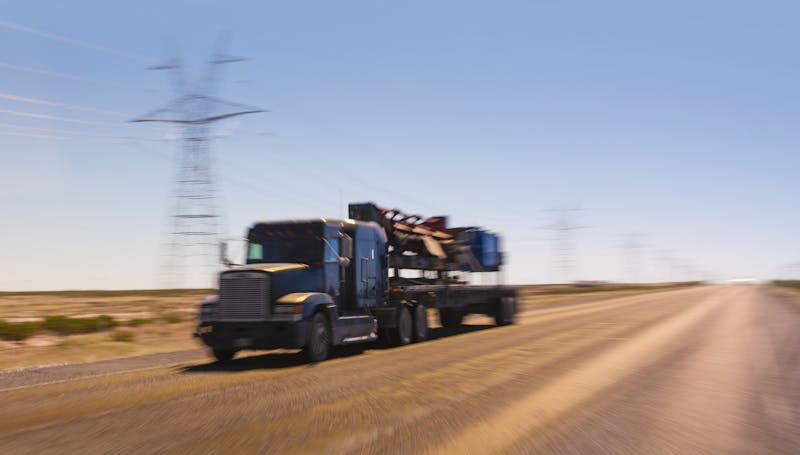
Underride accidents are undeniably brutal and deadly. The passenger vehicle goes under the trailer, and the truck’s structure bypasses the parts of the car designed to protect you. In an underride crash, a smaller vehicle can slide beneath the body of a truck or trailer, allowing the trailer to intrude into the passenger compartment or shear off the roofline. That “override” of the survival space is why these collisions so often turn catastrophic in seconds. NHTSA provides more context regarding the passenger-compartment intrusion risk.
Webster Vicknair MacLeod brings 120+ years of combined trial experience to serious-injury and wrongful-death litigation, and we’re known for doing what many firms won’t: building cases to win at trial when the stakes demand it. In this blog, we break down why underride crashes are among the deadliest truck accidents on Texas roads, what federal safety standards require, where those protections can fail, and how liability is proven when families are left facing devastating loss.
An underride crash occurs when a passenger vehicle slides wholly or partially beneath a large truck or trailer, most often at the rear or along the side of a semitrailer.
This type of collision is far more dangerous than a standard rear-end crash because the point of impact is different. Instead of energy being absorbed by the car’s bumper and crumple zones, the force transfers higher into the vehicle’s structure.
In many cases:
When the impact bypasses the protective design of the vehicle, the risk of catastrophic injury or death increases dramatically.
Federal law requires many trailers and semitrailers to be equipped with rear impact guards (see 49 C.F.R. § 393.86 and FMVSS No. 223).
On paper, those guards are designed to prevent passenger vehicles from sliding underneath a trailer in a rear-end collision, but regulation does not equal protection.
The Government Accountability Office (GAO-19-264) reported that, while rear guards are required, DOT has not mandated routine inspection and has identified gaps in data collection on underride crashes. Those oversight gaps matter when lives depend on equipment strength and maintenance discipline.
Rear guards are required, but side guards are not under current federal law. When a passenger vehicle strikes the side of a trailer—during a turn, at an intersection, or in low-visibility conditions—there may be no structural barrier preventing underride at all.
Because of this risk:
Side underride remains an active federal safety debate, which means many trailers on Texas roads may lawfully lack side protection altogether. Rear-guard failure is often a compliance issue, while side-underride is often a systemic safety gap.
Underride crashes frequently involve factors that demand deeper investigation:
FMCSA continues to focus on improving crash-causation data collection through its Crash Causal Factors Program.
In major truck litigation, the “driver made a mistake” story is often incomplete. Beyond the truck driver, liability may extend to multiple parties, including:
What Evidence Matters Most After An Underride Crash?
Keep in mind that Texas generally imposes a two-year statute of limitations on personal injury claims. That deadline can be unforgiving, and evidence can vanish long before it arrives.
Some truck crashes are severe. Underride crashes are different. These cases demand more than a surface-level review of what occurred. They require answers to complex questions:
At Webster Vicknair MacLeod, we approach these cases with the seriousness they deserve and build cases that stand up in court. We do not rely on quick resolutions when the harm is life-altering, and we prepare for trial from day one.
If your family is facing the aftermath of a devastating truck collision in Texas, you need a team that understands both the mechanics of these crashes and the legal strategies required to pursue full compensation. Contact Webster Vicknair MacLeod today for a free consultation.
Complete the form below for a free case evaluation.
© Webster Vicknair Macleod. All Rights Reserved.