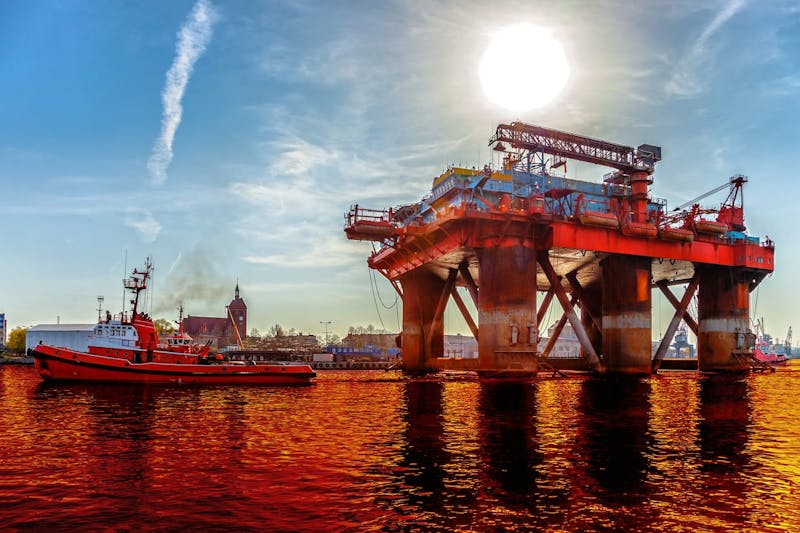
When a catastrophic offshore accident occurs, whether involving an oil rig explosion, a vessel collision, a crane collapse, or a severe equipment failure, the immediate aftermath is filled with shock, chaos, and urgent medical priorities. For injured workers and their families, surviving the incident and receiving critical medical treatment are the only things that matter.
However, behind the scenes, a rapid and complex legal and administrative machine springs into action almost instantly. Within minutes of a critical offshore event, multiple federal agencies, corporate response teams, and insurance defense lawyers begin taking steps to investigate the incident.
Understanding who investigates an offshore accident and what happens during the crucial first 72 hours can make a significant difference in protecting your legal rights and securing the financial recovery you deserve.
Who Investigates an Offshore Accident?
Unlike land-based industrial incidents, which are typically handled by local law enforcement and state agencies, offshore accidents fall under a distinct web of federal maritime oversight.
Depending on the location of the vessel or platform, the depth of the water, and the severity of the casualties, several key governmental and private entities may launch independent inquiries:
- The United States Coast Guard (USCG): As the primary federal agency responsible for maritime safety, the Coast Guard investigates marine casualties occurring on navigable waters and the Outer Continental Shelf. They inspect the site, gather physical evidence, interview crew members, and issue formal reports on causality and safety violations.
- Bureau of Safety and Environmental Enforcement (BSEE): For incidents on offshore oil platforms, drilling rigs, and pipelines, BSEE investigates structural failures, fires, blowouts, and safety management system non-compliance.
- National Transportation Safety Board (NTSB): In major maritime disasters involving significant loss of life or massive property destruction, the NTSB conducts an independent, exhaustive investigation focused on safety improvements.
- Occupational Safety and Health Administration (OSHA): While OSHA's jurisdiction is limited offshore, it may investigate incidents on fixed platforms located in state waters or near-shore shipyard operations.
- Corporate & Insurance Defense Investigators: Offshore operators, employers, and vessel owners immediately dispatch their own emergency response teams. These private investigators, risk management officers, and defense attorneys work to secure evidence, interview witnesses, and evaluate corporate exposure.
What Happens in the First 72 Hours?
The first 72 hours following an offshore incident are fast-paced and high-stakes. While emergency personnel work to treat the injured, corporate and government entities execute carefully structured protocols.
Hours 0 to 24: Emergency Response & Containment
- Medical Evacuation: Victims requiring emergency trauma care are medevaced via helicopter or fast-response vessel to onshore facilities.
- Mandatory Reporting: The vessel master or rig manager must immediately notify the USCG and BSEE of any major casualty, serious injury, or fatality.
- Securing the Facility: The operator works to control fires, suppress gas leaks, or contain environmental spills to stabilize the immediate area.
Hours 24 to 48: Federal Authorities & Evidence Collection
- On-Site Inspections: Federal investigators from the Coast Guard or BSEE board the vessel or platform to inspect the physical scene, capture photos, and review maintenance logs.
- Securing Technical Data: Investigators secure Voyage Data Recorders (VDR), which serve as the maritime equivalent of a black box, along with engine logs, navigation data, and bridge audio recordings.
- Initial Witness Interviews: Federal agents and corporate representatives begin conducting formal interviews with surviving crew, eyewitnesses, and supervisors.
Hours 48 to 72: Corporate Risk Management & Legal Positioning
- Building the Defense Strategy: Insurance representatives and corporate lawyers review initial evidence to minimize company liability and manage potential claims.
- Contacting Injured Workers: Insurance adjusters frequently attempt to obtain recorded statements from injured workers or grieving families while they are still in hospital care or under emotional distress.
- Site Restoration & Repairs: Once federal investigators release the scene, companies move quickly to repair damaged machinery, which can lead to the loss or alteration of critical physical evidence.
Why the First 72 Hours Are Critical for Your Legal Claim
In maritime injury and wrongful death litigation, early evidence preservation is everything. The actions taken, or ignored, during the initial 72 hours can profoundly impact the outcome of a legal claim.
Key risks during this initial window include:
- Loss of Electronic & Physical Data: Telemetry data, CCTV footage, and digital maintenance records can easily be overwritten, misplaced, or deleted if not formally preserved.
- Altered Machinery: Failed safety gear, broken rigging, or malfunctioning equipment may be repaired or replaced before independent testing can take place.
- Influenced Witness Statements: Over time, crew members may face implicit pressure from employers, or their memory of the event may fade.
Determining whether your claim falls under the Jones Act, the Death on the High Seas Act (DOHSA), or the Outer Continental Shelf Lands Act (OCSLA) requires an immediate, detailed analysis of where and how the incident occurred.
How a Trial-Ready Maritime Law Firm Protects Your Rights
While maritime employers and corporate insurance companies act rapidly to protect their financial interests, injured workers and surviving families need a strong, dedicated advocate fighting exclusively for them.
An experienced maritime law firm takes immediate action during the first 72 hours by:
- Issuing Spoliation Letters: Sending immediate legal demands to vessel owners and operators, legally requiring them to preserve all physical evidence, video footage, telemetry data, and maintenance records.
- Conducting Independent Investigations: Deploying independent maritime safety experts, engineers, and accident reconstruction specialists to investigate the scene before it is altered.
- Managing Communications: Handling all interactions with insurance adjusters and corporate attorneys so you can focus entirely on your medical recovery.
- Identifying All Liable Parties: Investigating third-party contractors, equipment manufacturers, and vessel charterers to maximize potential sources of recovery.
Put Experienced Maritime Lawyers in Your Corner
No worker or family should have to confront complex federal maritime laws and aggressive insurance defense strategies alone after an offshore disaster.
At Webster Vicknair MacLeod, we represent maritime workers and families facing life-altering injuries and fatal offshore accidents nationwide. Our attorneys understand how corporate response teams operate during the first 72 hours, and we move decisively to secure crucial evidence, establish liability, and build aggressive, trial-ready cases.
Put more than 120 years of combined trial experience in your corner. If you or a loved one was involved in an offshore accident, call Webster Vicknair MacLeod today at (713) 581-3900 or visit wvmlaw.com for a free, confidential consultation.